


 Cart
Cart


Eric and his LTX Mustang
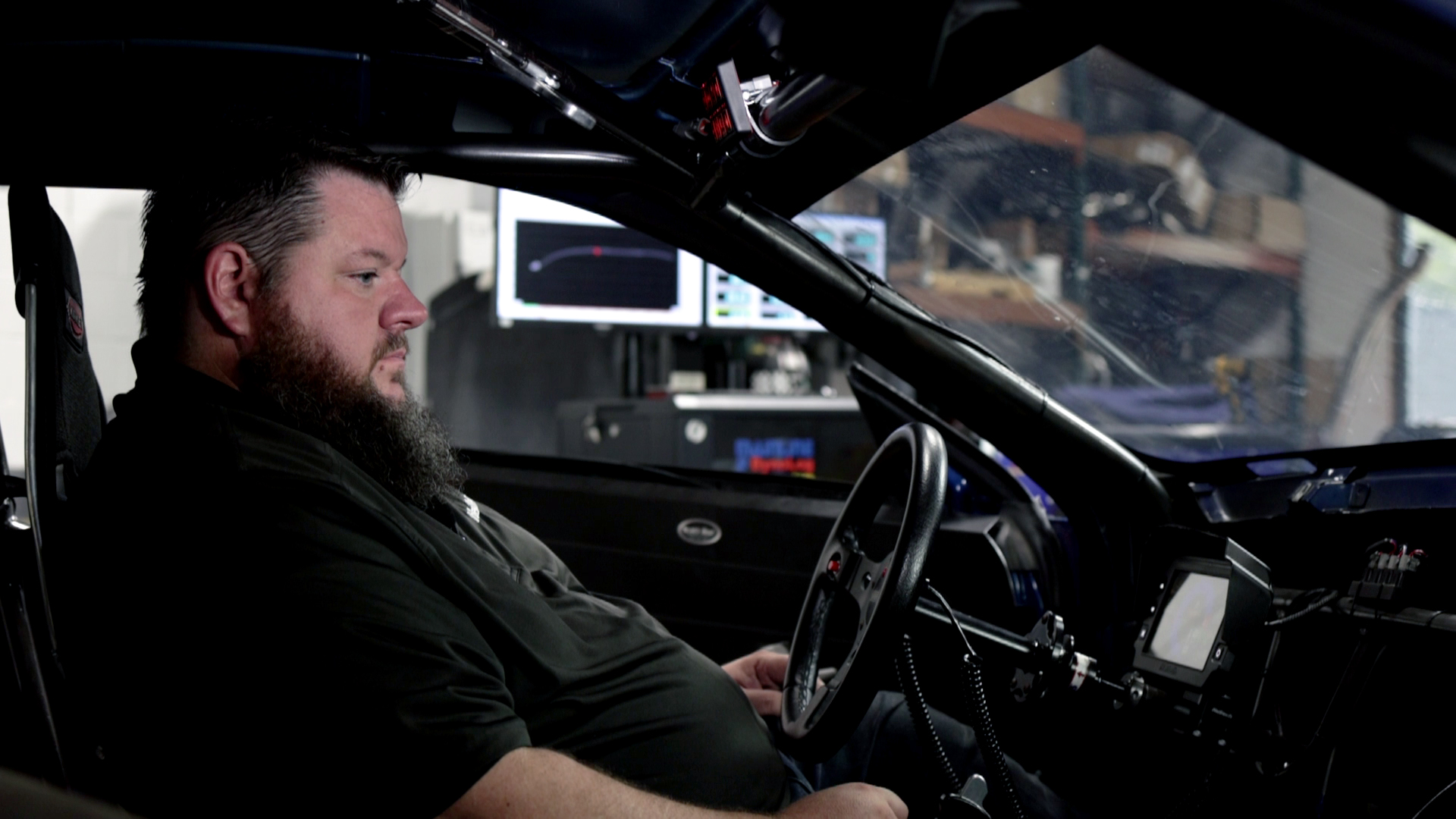
Eric Gash is a man of many talents. Being the General Manager of Haltech USA’s Lexington facility means he’s well versed in logistics, management, and the smooth running of day-to-day operations. But, like many of his Haltech colleagues, Eric is also a passionate racer and his latest build is the subject of today’s story.
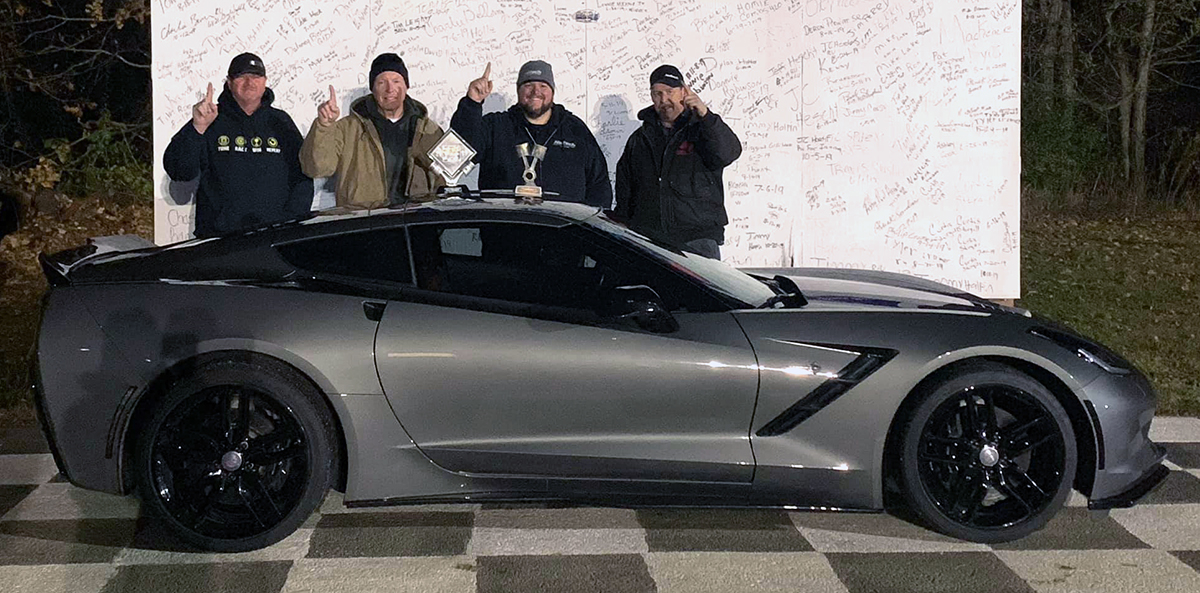
After cutting his teeth in DSM racing, Eric went through several years of racing Corvettes. “Corvettes make fantastic streetcars, and I’ve had a bunch of C5s and C6s even the C7 I own now. But when you try and make them fast, you have a lot of hurdles.”
After countless seasons of upgrading suspensions, changing transmissions and driveline components, Eric decided to go a different route and to start with a chassis that wouldn’t fight him.
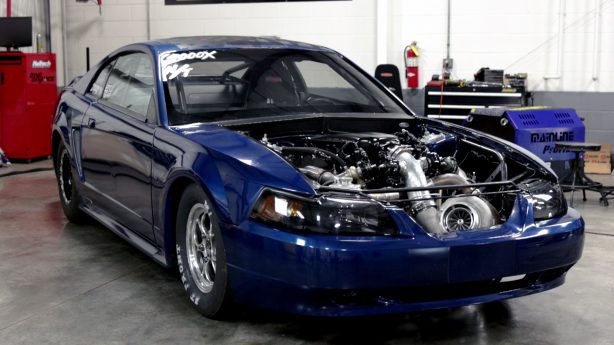
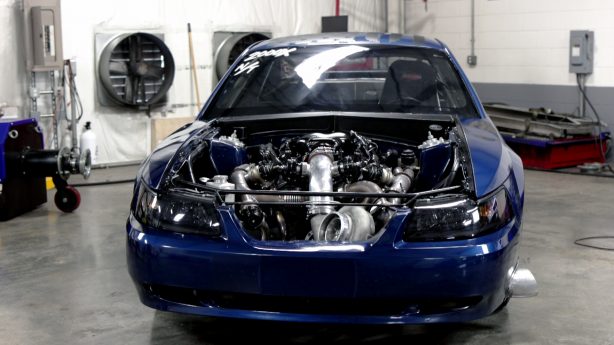
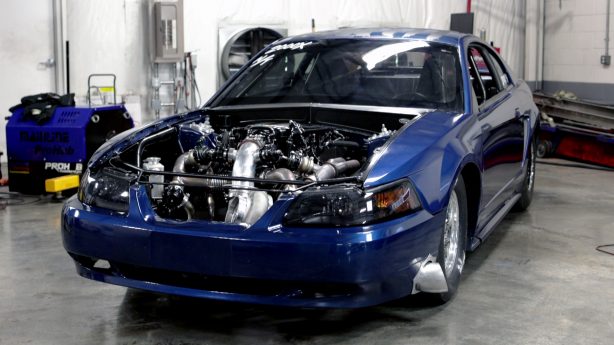
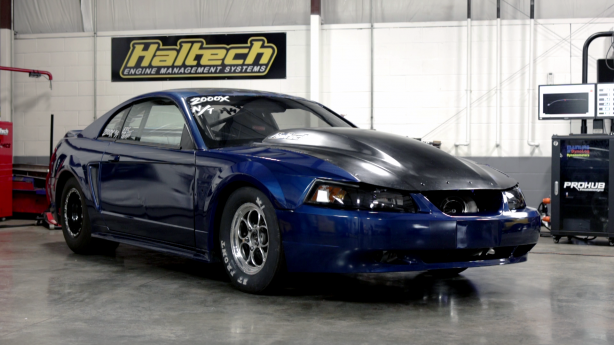
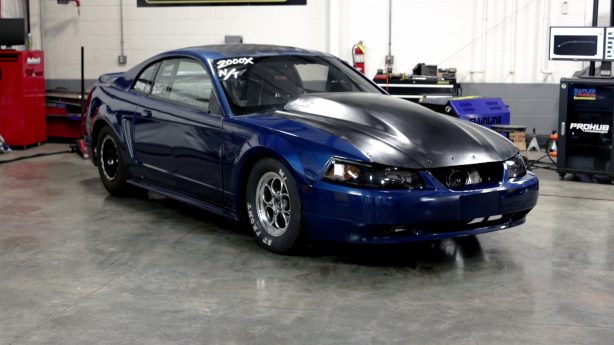
This 2000 Ford Mustang had spent a lot of its life as a street/strip racer and Eric picked it up as a roller. With the help of friends from the Connelly Racing camp, the car quickly became a high 7-second certified chassis stuffed with a TeamZ Cromoly cage and plenty of safety equipment.
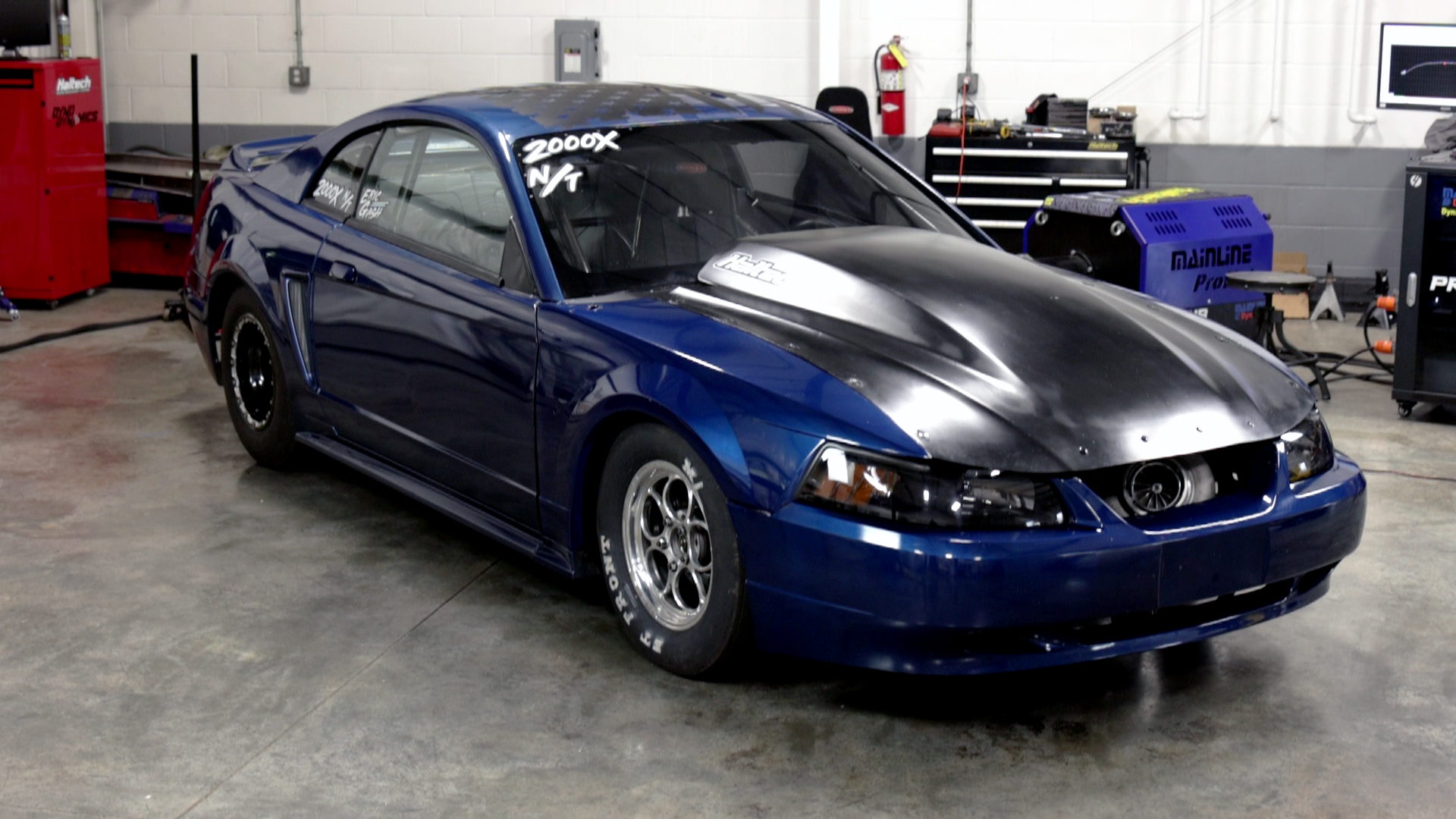
“I chose a Mustang because it was a proven combination, it wasn’t something I would have to design parts for and use power management to keep from breaking. So when I started talking to Martin (Connelly) about building a new car, he quite easily talked me into this one.”
“I chose a Mustang because it was a proven combination, it wasn’t something I would have to design parts for and use power management to keep from breaking. So when I started talking to Martin (Connelly) about building a new car, he quite easily talked me into this one.”
Eric Gash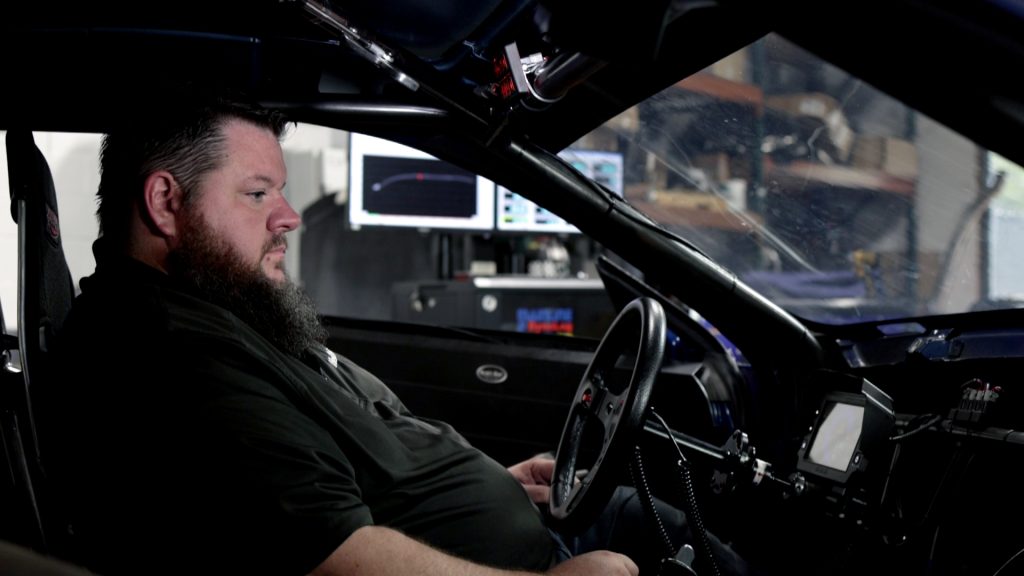
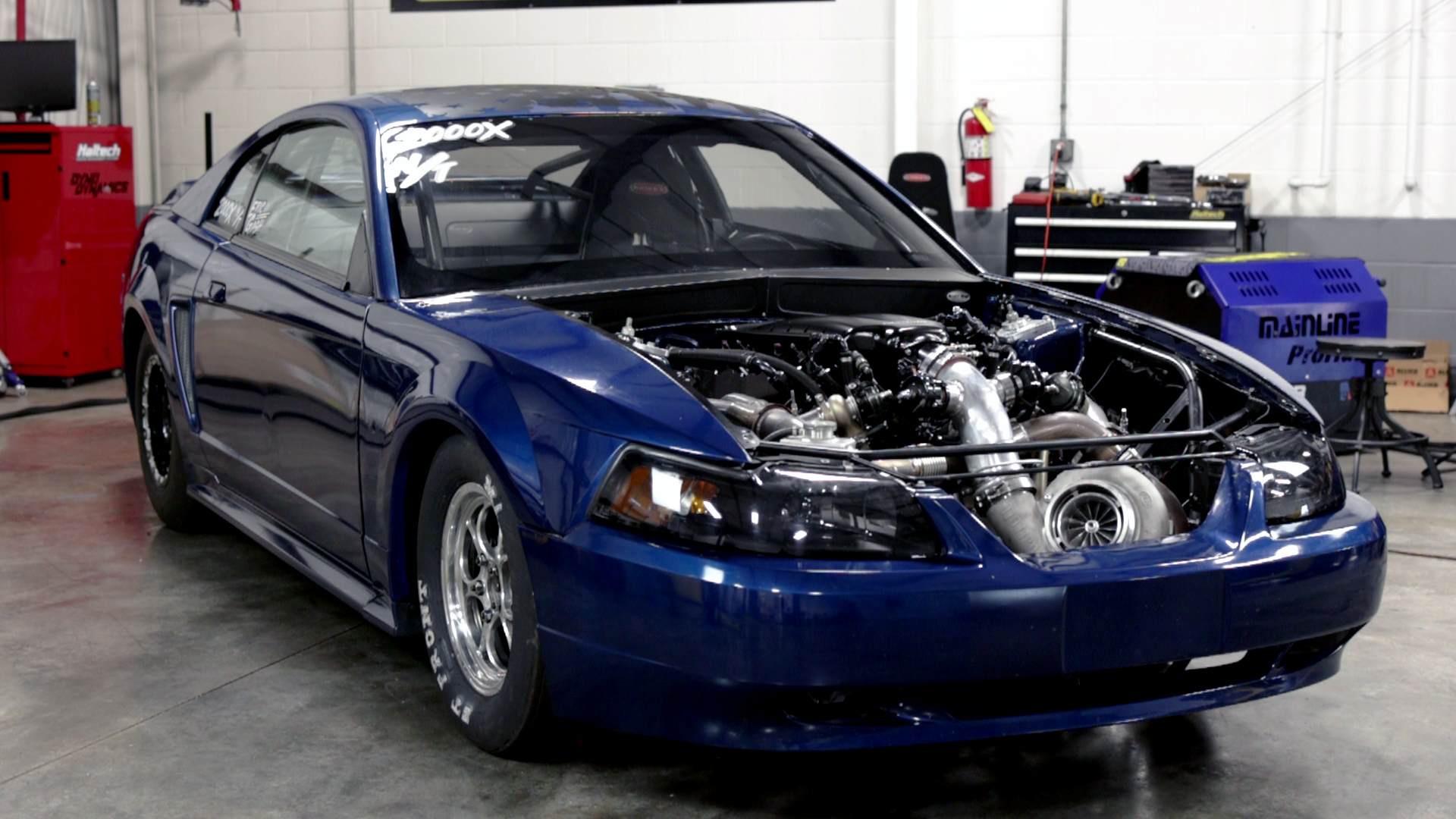
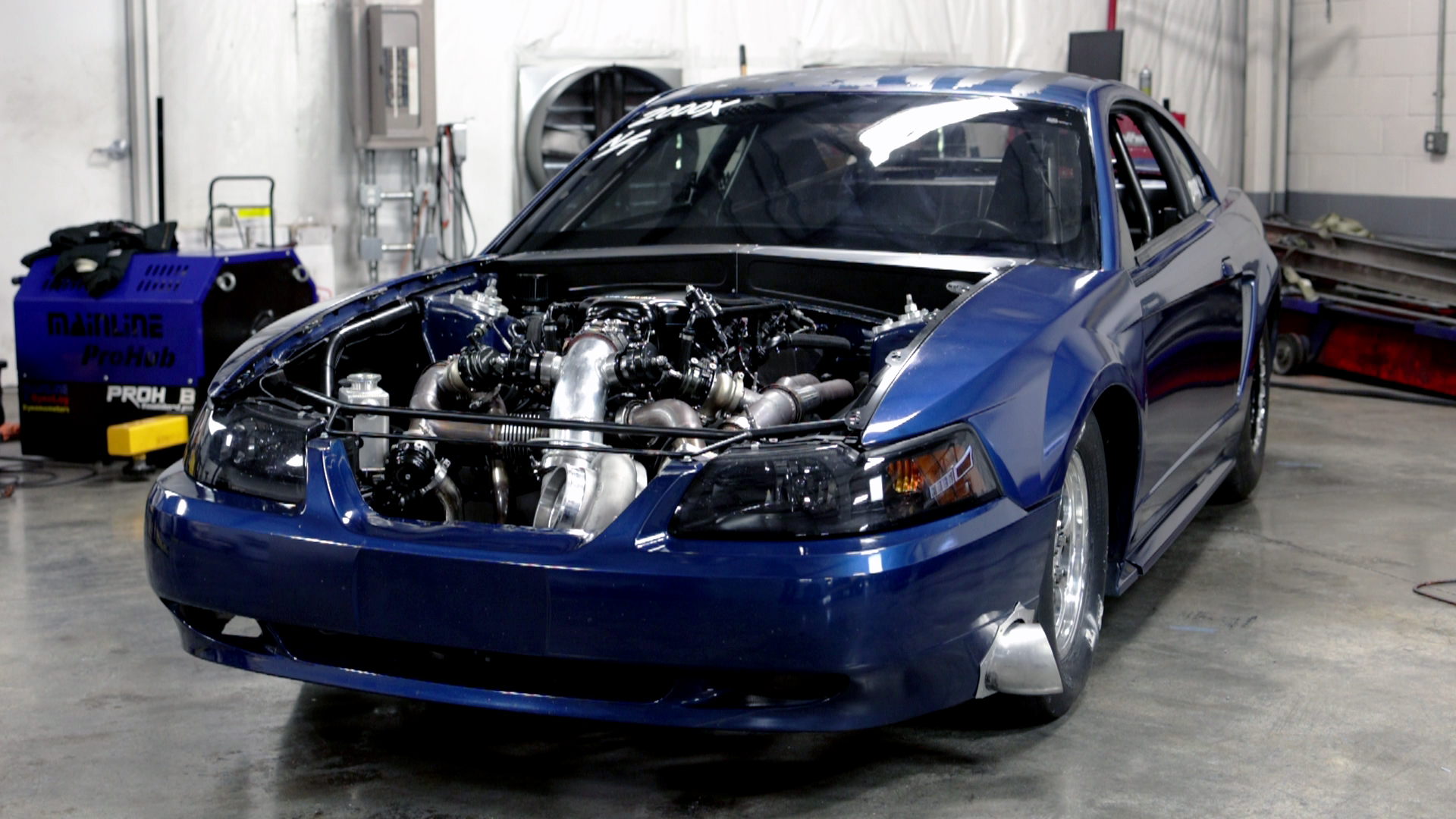
With the chassis lined out, it was time to decide on a powerplant. While Eric was familiar with LS engines through his Corvette years, he felt it would be awesome to see something besides your typical L33 or stock block 6.0L between the strut towers.
” I was actually building a new motor for my Corvette, I had most of the parts ready to go, then I thought: The C7 is a great street car, let’s not ruin it. So, I took all of my parts over to Estes Automotive and we assembled a 6.2L Gen V LT motor for the Mustang.”
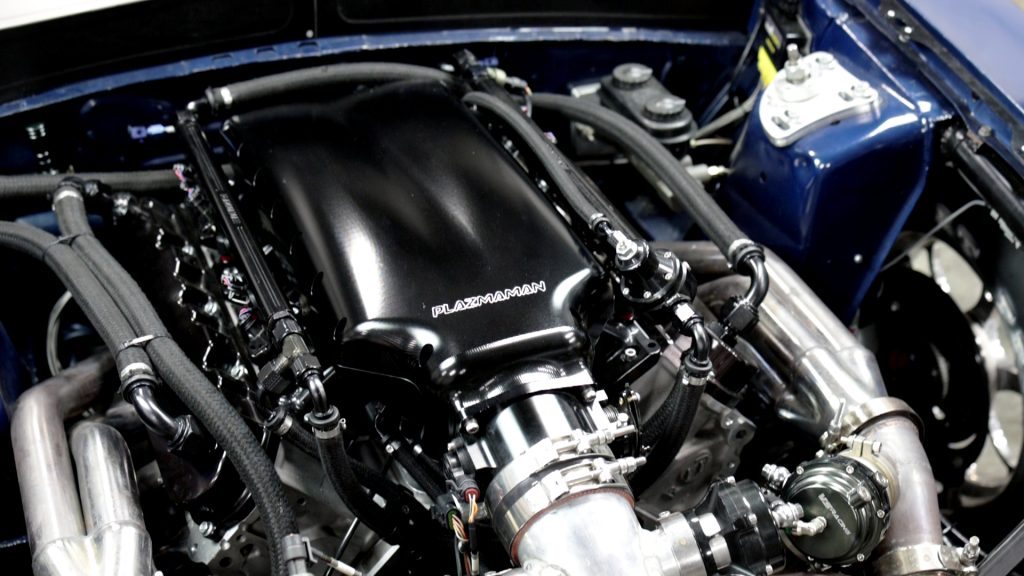
For those unfamiliar with GM’s latest take on the small block chevy, the Gen V series (LT) improves on a lot of LS engine shortcomings. It has massive intake ports thanks to its 12.5 degrees splayed valve design, a stronger block architecture, new eight-bolt crankshaft and standardized Variable-Valve-Timing (VVT). The major change was the fueling system, with GM adopting a Direct-Injection strategy instead of the traditional Port-Injection found on many LS and older small block chevy designs.
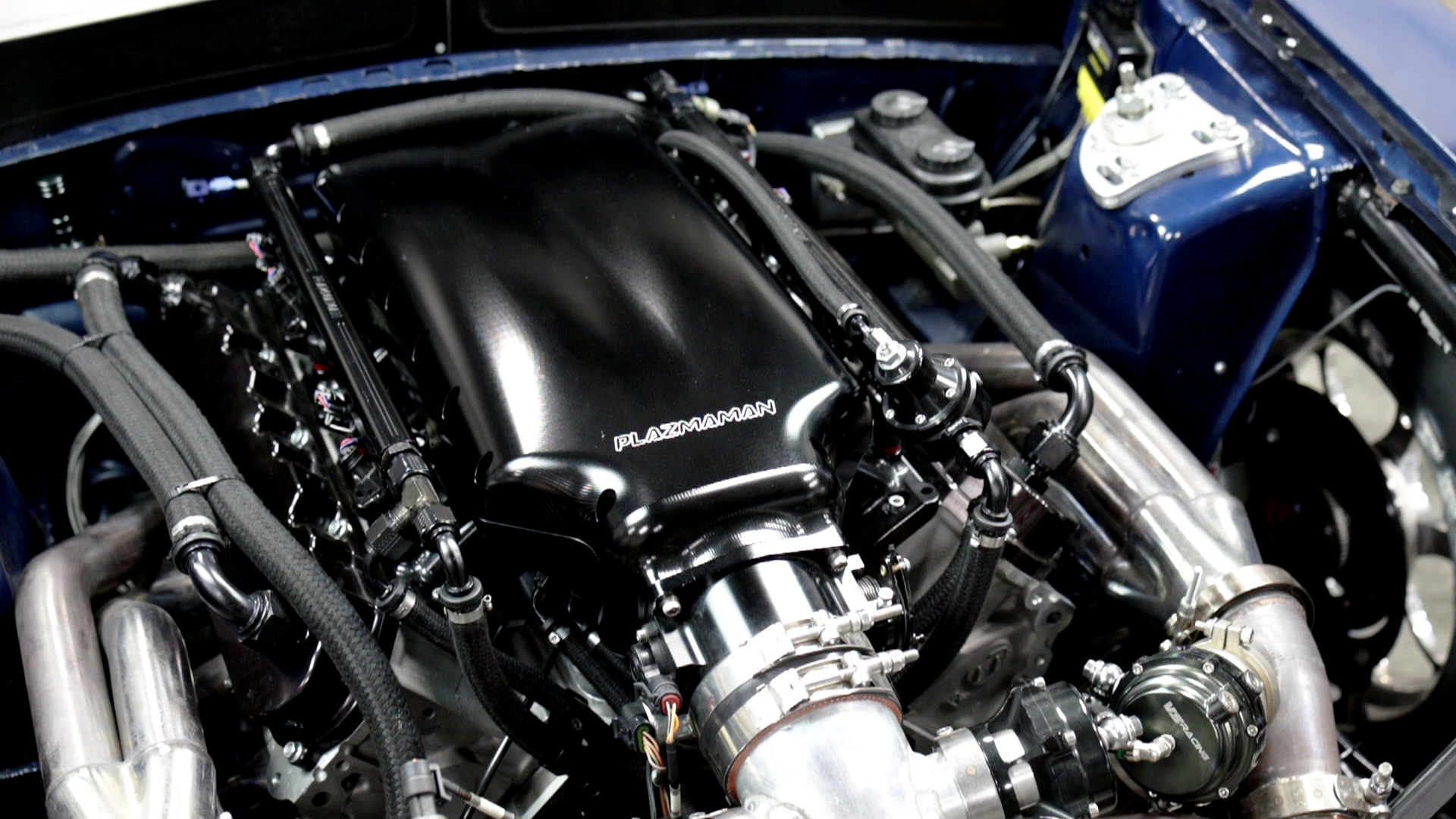
Eric’s 6.2L retained a factory engine block, crankshaft, cylinder heads and oiling system. But the stock pistons and connecting rods were ditched for stronger, aftermarket pieces. Brian Tooley Racing (BTR) specced out a custom valvetrain combination as this newer LT platform doesn’t offer as many off-the-shelf solutions. This deleted both the OE displacement-on-demand (DOD) and VVT, and gave Eric more tuning options for making big power on his single-turbo setup.
When it came time to set up the fuel system, Eric had two options. Utilize the OE computer and piggyback onto the direct injection with additional port injection, or eliminate the direct injection completely with a Motion Raceworks delete kit.
“My buddy Doug at Motion Raceworks has developed a kit to eliminate the factory high-pressure injectors, and that opened up a ton of possibilities to make power. While direct injection is great, it is really limited technology-wise to create a ton of horsepower. There just isn’t enough aftermarket support right now, and if we are forced to put port injection on it, why not use it as its main source.”
With a plan in place, it was time to finish out the fuel system using a Plazmaman billet intake manifold, FID 280lb injectors, methanol injection, a belt drive and a Magnafuel “Outlaw 1000” mechanical pump. Eric runs the car on M1 Methanol fuel, and due to the sheer volume of fuel needed, the switch to a mechanical pump was his best option.
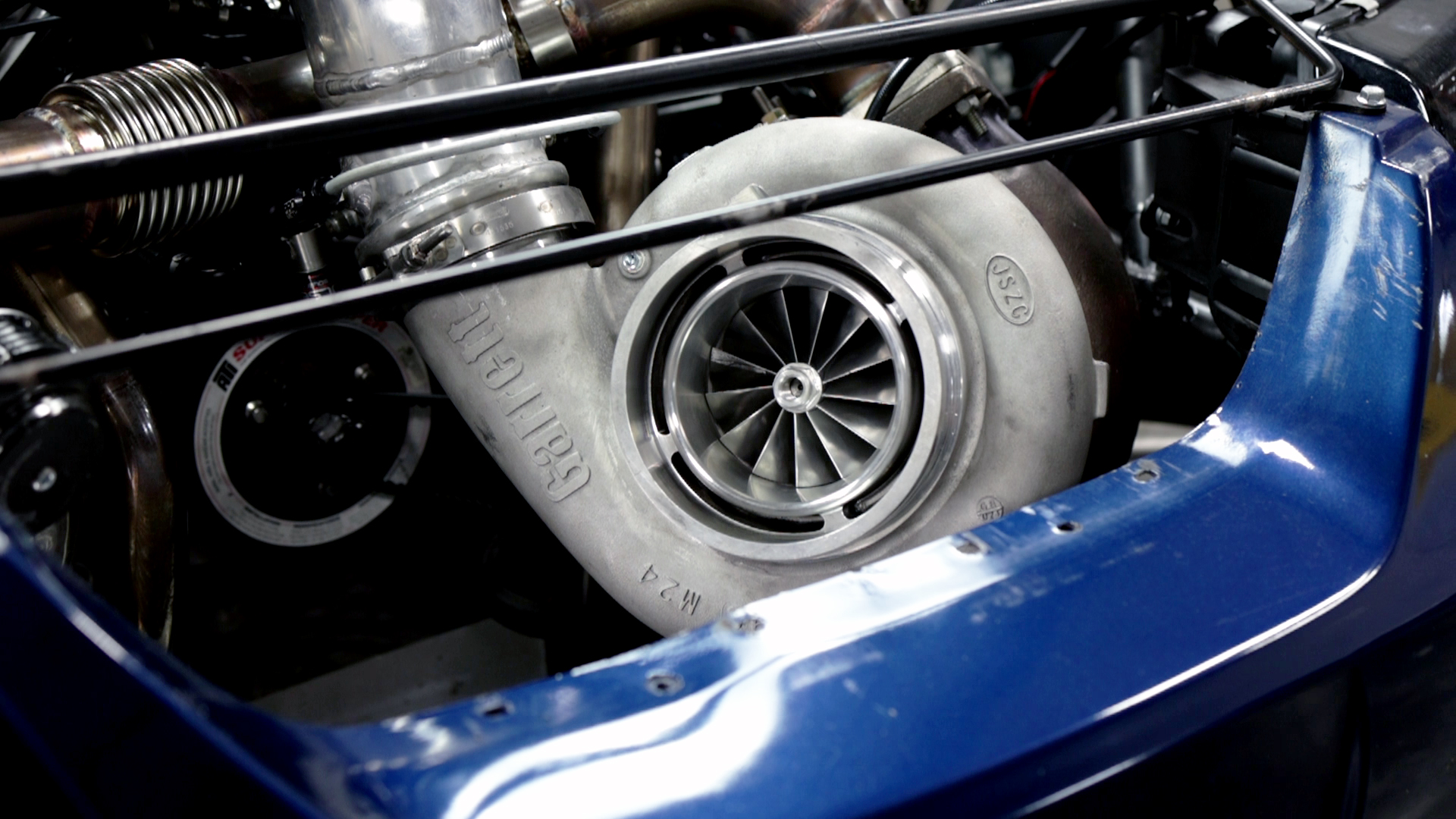
The turbo system was built by Eric himself, and utilizes a Garrett GTX 88mm turbo, with dual 46mm VS Racing wastegates and 50mm VS Racing blow-off valves. He plans to upgrade to a 94mm Garrett very soon and with a healthy amount of boost, this 6.2L should make near 1700 horsepower at the tires!
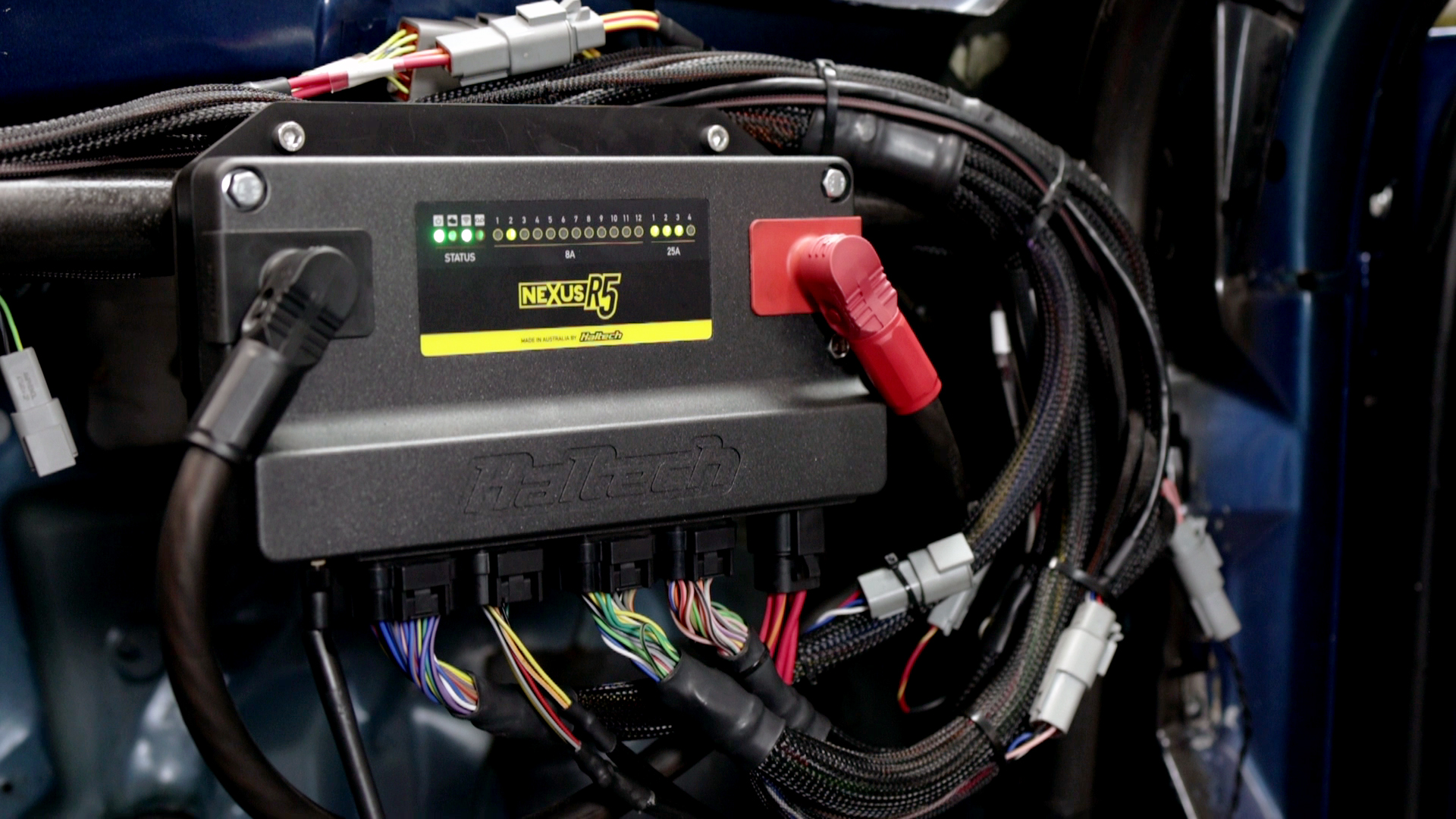
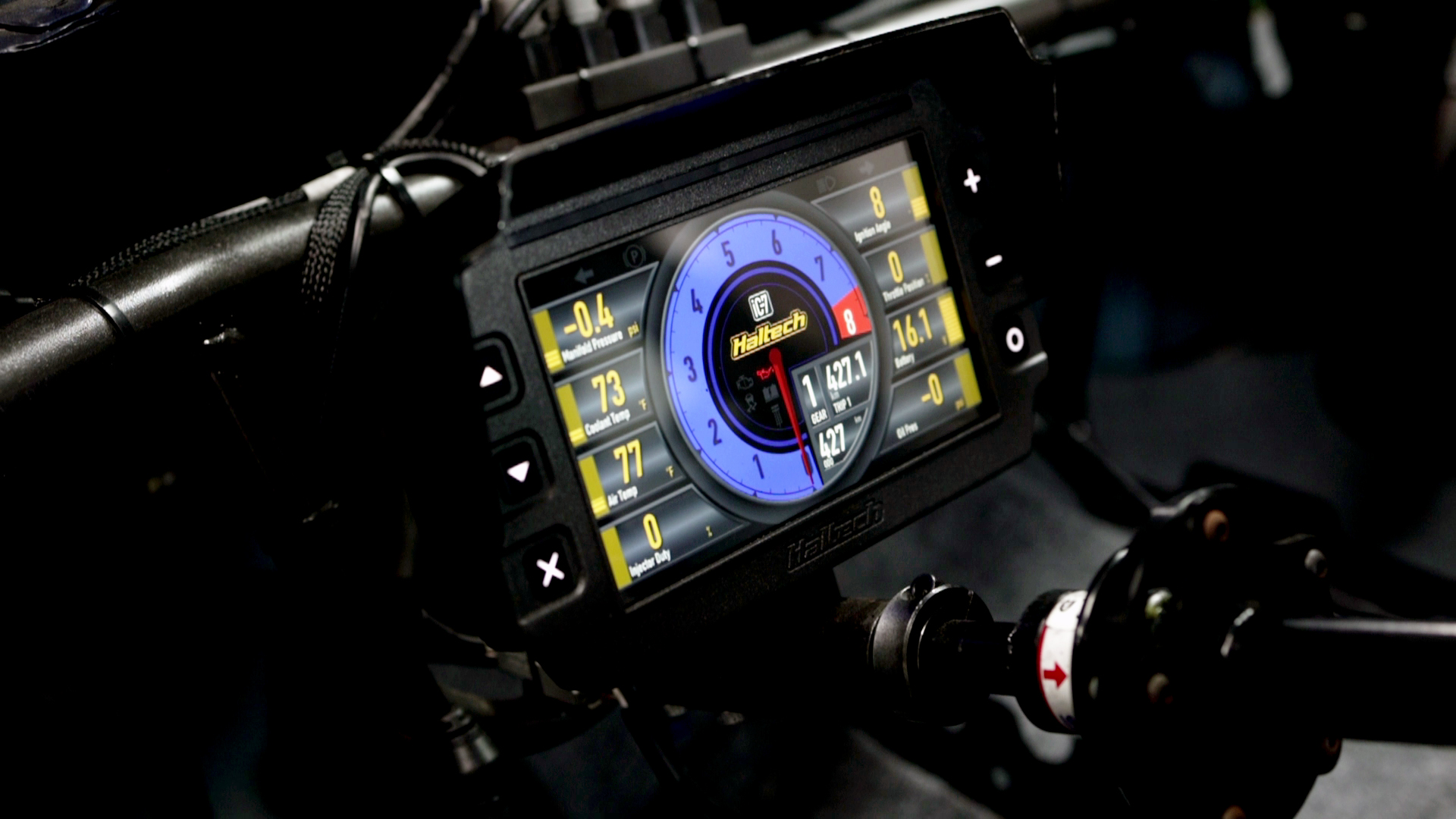
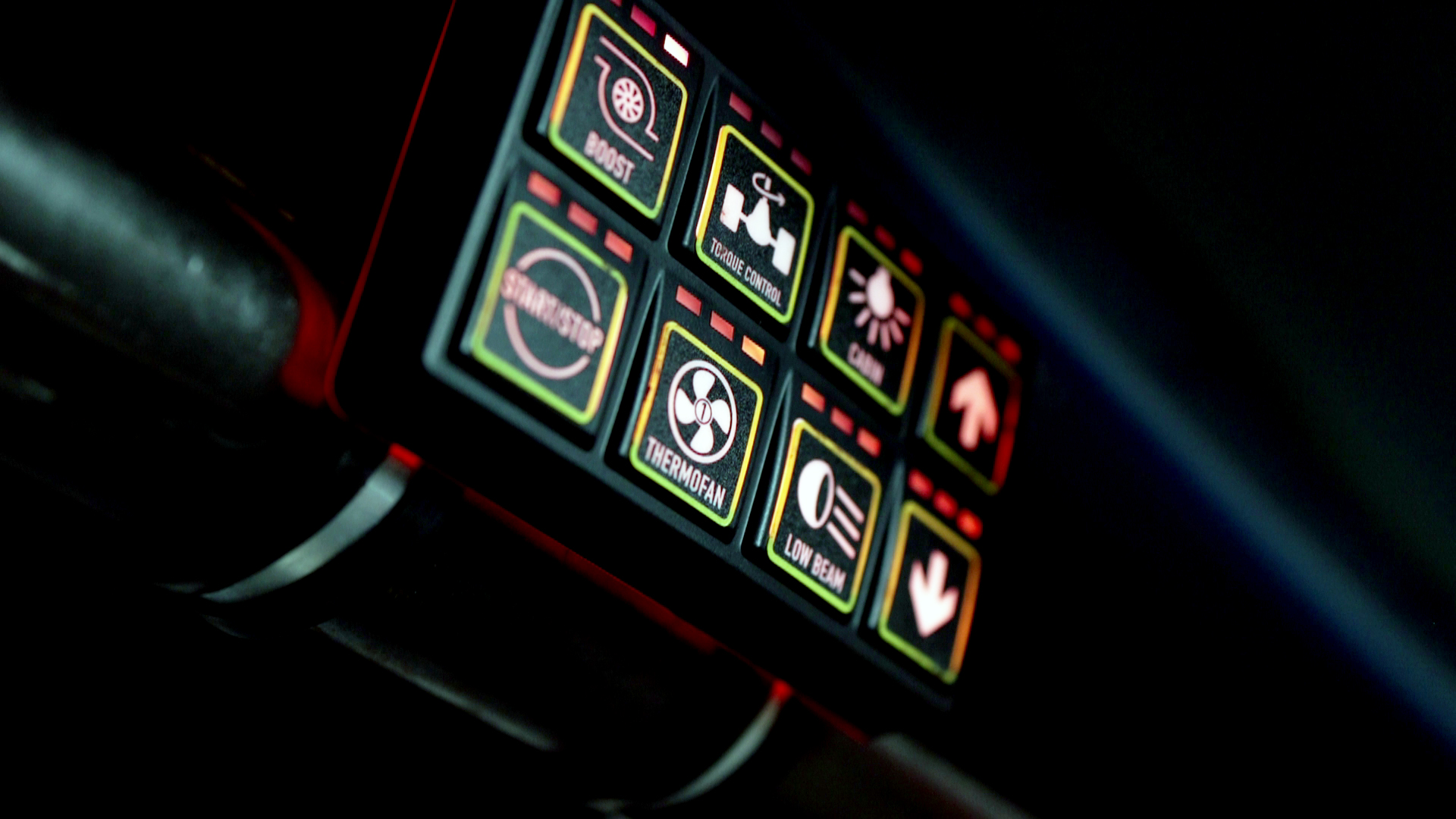
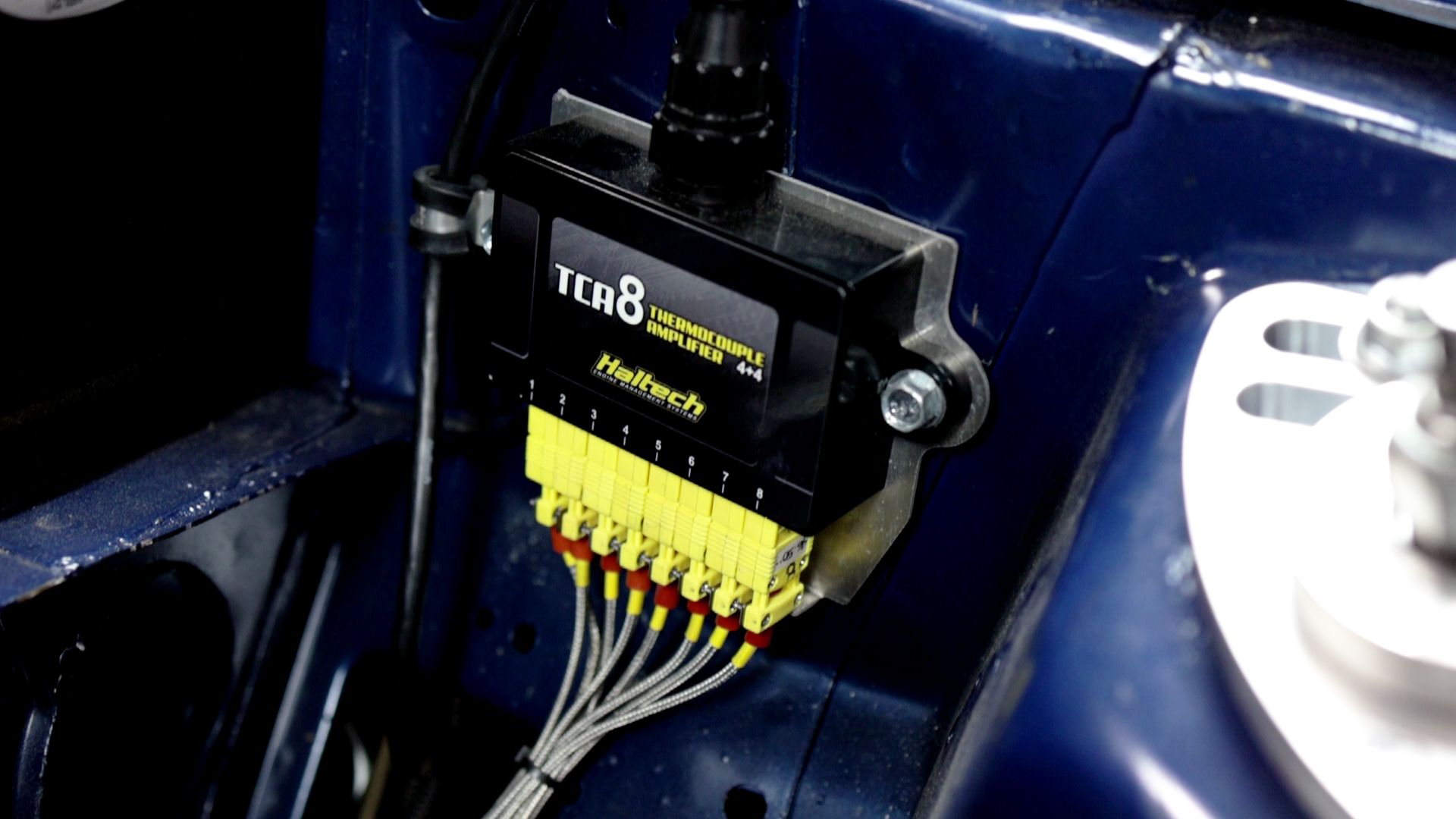
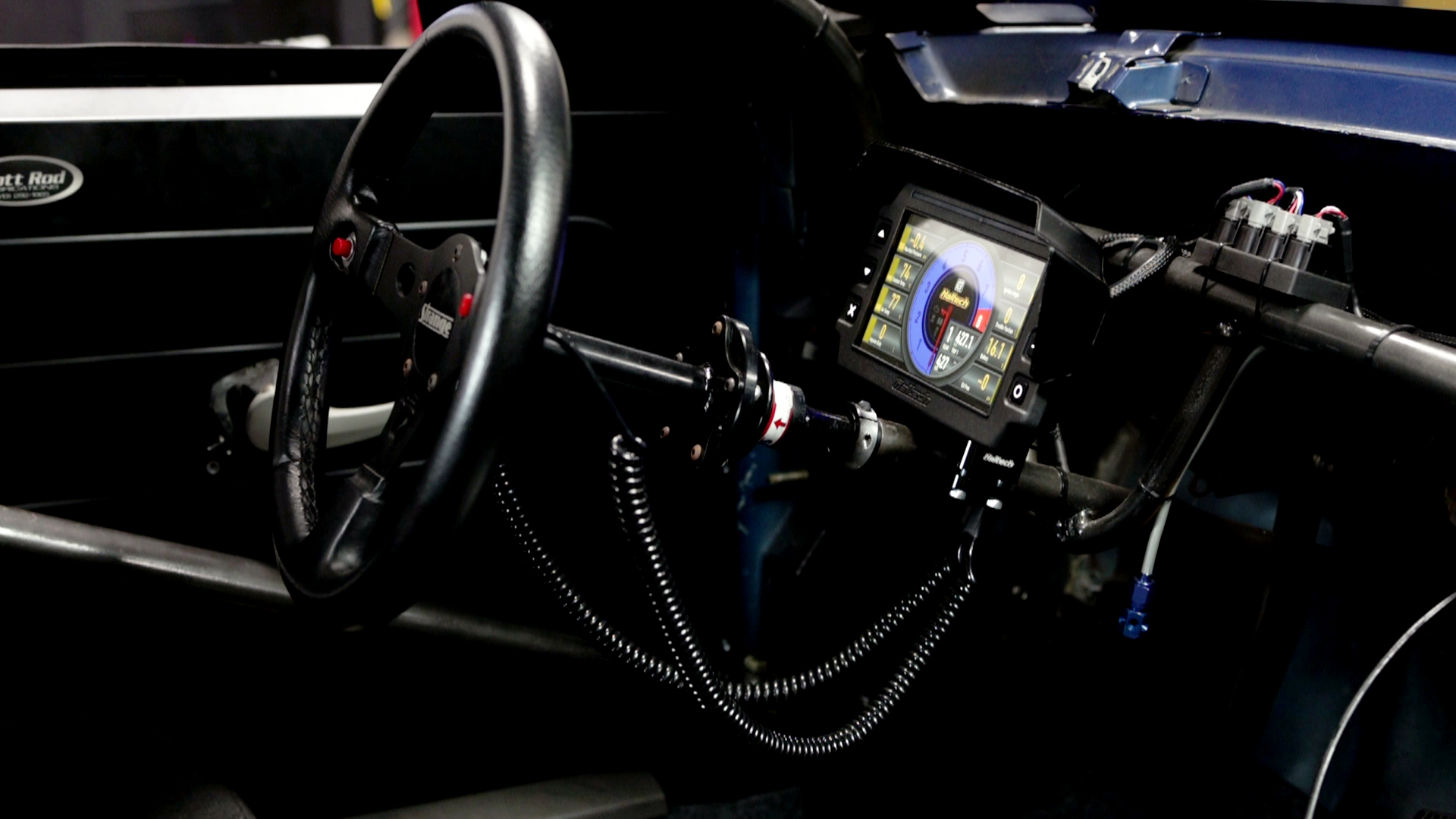
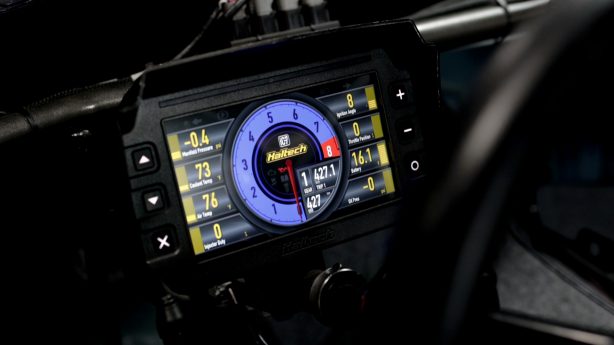
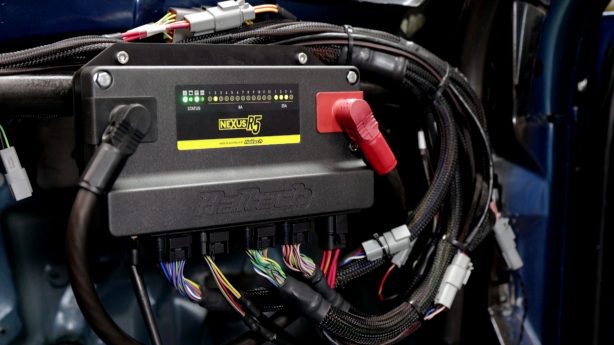
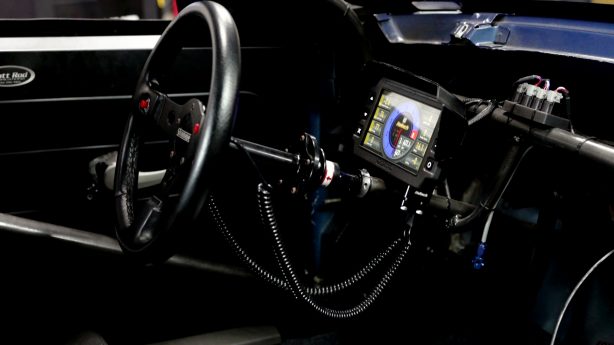
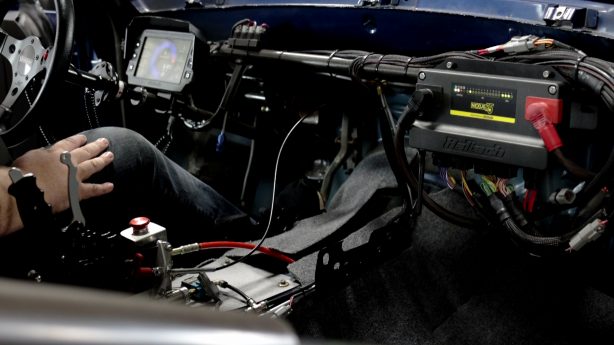
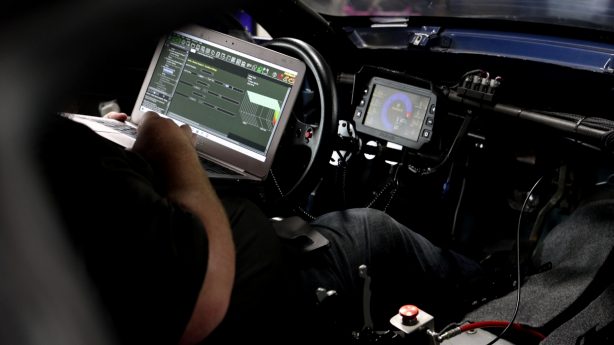
A Haltech Nexus R5 handles everything on this car, including power distribution, engine management, traction management, boost control, data logging and more! A CAN compatible 4×2 keypad, iC-7 display and TCA-8 EGT kit all plug and play with the Nexus and give Eric all of the information and tune-ability needed to wrangle this monster.
Moving rearward, we find a PST carbon driveshaft and an RPM Transmissions two-speed TH400. While this normally is a three-speed automatic transmission, RPM modified it to delete the very short first gear in favour of launching in second. This also gives the added benefit of being much stronger than a traditional Powerglide two-speed. Inside the TH400 is a Hughes billet torque converter, this bolt-together design allows Eric and the guys at Hughes Performance to make adjustments and dial in this unique powerplant.
Outback, The Tin Soldiers “Battle-Ready” 8.8 rear will take abuse from everything but the kitchen sink. Torque boxes from Merillat not only reinforced the rear section of the body but gave a ton of options on bar adjustment. Finally, AFCO “Big Gun” rear shocks keep everything in check as Eric tries to prevent any big wheelies.
Intended for No Time events and grudge racing, Eric had the car ready for its first outing in April 2021. Setting a new personal best for him, his first hit off of the trailer was in the four-second zone! After dialling in the Nexus R5’s traction management system, he has clicked off his best run of 4.56 @ 154 MPH in testing. Making this not only a legitimate small-tire class killer but also one of the fastest Gen V powered cars in the world!
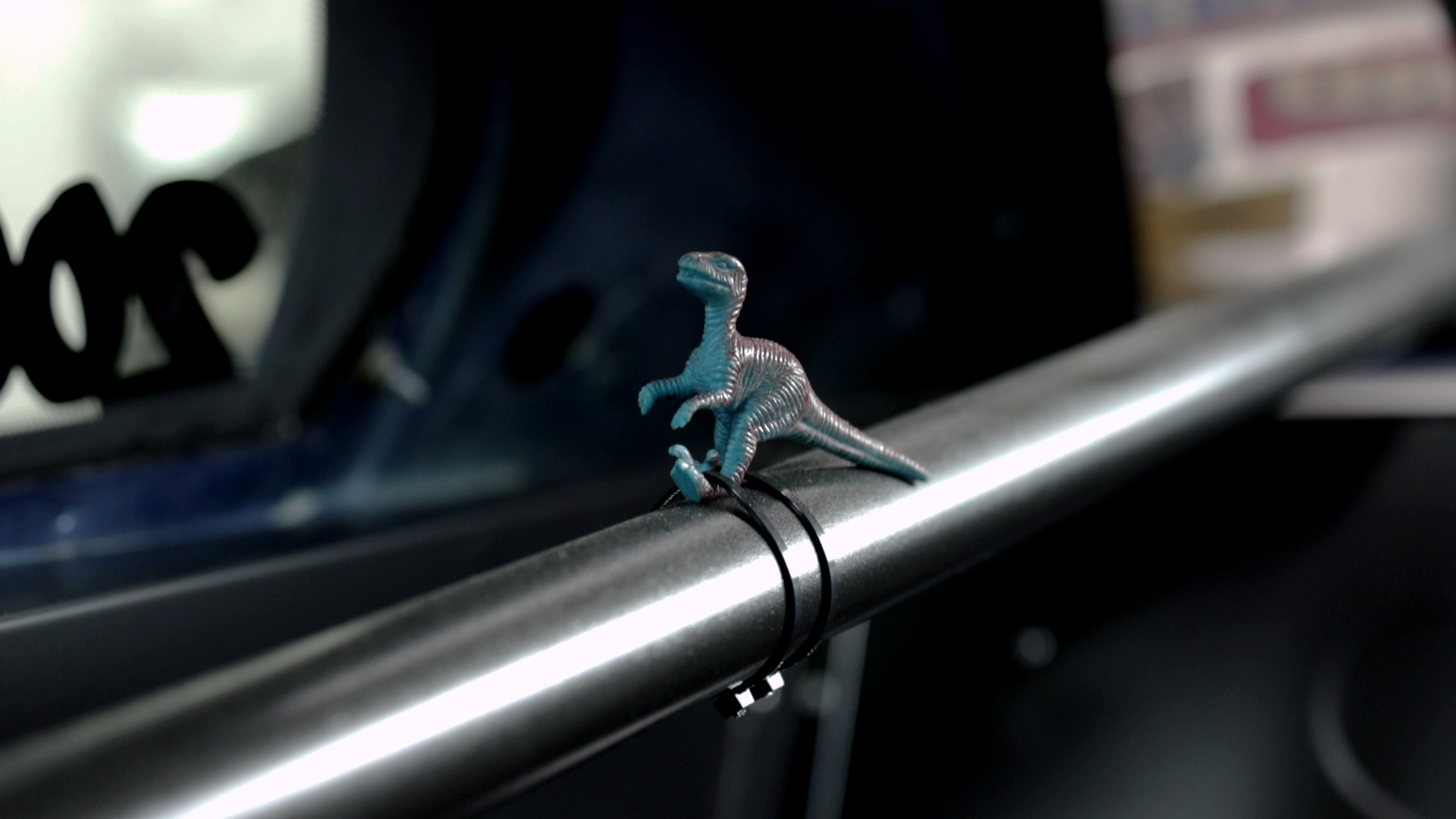
With only half of the season completed, this blue Mustang affectionately named “LT-Rex” after the small dinosaur figuring that randomly found itself inside the car during the build process, has racked up an impressive win list.
“We have had the car together for about five months, and in that time we have won four races. Almost one a month.” Eric tells us that this car is deadly consistent and seems to love it when he pours in more power. After claiming several small tire wins, Eric recently entered a big tire outlaw class (still on his 28×10.5 tire) and took home the win on a slippery track surface!
We love just how different this build is! Tackling the newer engine platform, knowing that the level of aftermarket support just isn’t there yet, will always be a true challenge. Considering just how well it runs, you can expect to see more racers adopt this fifth-generation small block chevy in years to come.
We look forward to seeing what Eric can do at World Cup Finals later this year where he will take on some of the country’s fastest import and small-tire racecars. Good luck Eric!


 SAFE & SECURE SHOPPING